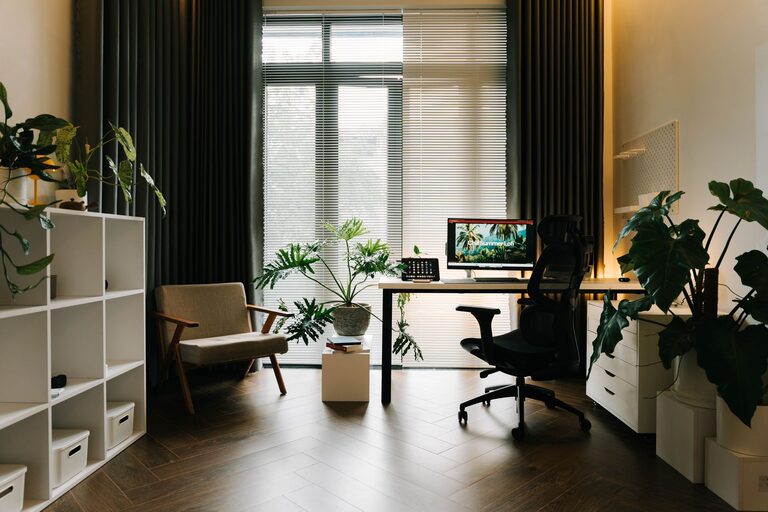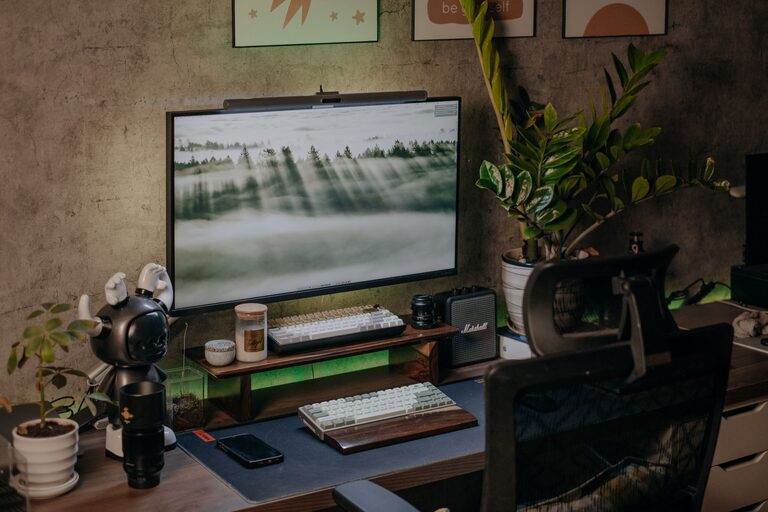

Creating a cozy and inviting home workspace is essential for anyone working or studying from home. A well-designed workspace helps you stay focused, reduces stress, and makes your daily tasks more enjoyable. Whether you have a dedicated room or a small corner in your home, you can transform it into a comfortable and efficient spot with a few thoughtful changes. Here are some useful tips to guide you through creating the perfect home workspace.
1. Choose the Right Location
The first step to designing a cozy workspace is picking the ideal location. Consider areas in your home that offer enough natural light, minimal distractions, and enough room for your needs.
– Near a window: Natural light improves mood and productivity. Try to position your desk near a window to enjoy daylight.
– Quiet corner: Opt for a spot away from heavy foot traffic or noisy areas.
– Adequate space: Make sure your workspace has enough room for your equipment and allows for comfortable movement.
2. Invest in Comfortable Furniture
Comfort is key for long hours of work. Choose furniture that supports good posture and suits your working style.
– Ergonomic chair: A chair with adjustable height, lumbar support, and cushioning can prevent back pain.
– Spacious desk: Select a desk that accommodates your computer, notebook, and any other tools.
– Footrest or mat: These add comfort, especially if you sit for extended periods.
3. Declutter and Organize
A cluttered workspace can cause stress and decrease productivity. Keep your area tidy and well-organized by implementing these ideas:
– Use storage solutions: Shelves, drawers, and organizers keep supplies out of sight but easily accessible.
– Regular cleaning: Set aside time each week to tidy your workspace.
– Cable management: Use clips or sleeves to keep cords neat and prevent tangling.
4. Personalize Your Space
Adding personal touches makes your workspace feel inviting and motivating.
– Decorate with plants: Greenery adds color and improves air quality.
– Display art or photos: Choose images that inspire or relax you.
– Use cozy textiles: A soft rug, cushion, or throw blanket adds warmth and comfort.
5. Optimize Lighting
Proper lighting reduces eye strain and sets the mood in your workspace.
– Layered lighting: Combine natural light, overhead lights, and task lamps.
– Adjustable desk lamp: A lamp with adjustable brightness and angle provides focused lighting.
– Consider warm bulbs: Warm light can make the space feel cozy, especially during early mornings or evenings.
6. Incorporate Functional Technology
Technology plays a crucial role in a home workspace but should be balanced with comfort.
– Reliable Wi-Fi: Ensure your workspace has a strong internet connection.
– Noise-canceling headphones: These help minimize distractions.
– Wireless charging stations: Keep devices powered without cluttering your desk.
7. Manage Temperature and Air Quality
A comfortable climate helps maintain focus.
– Ventilation: Keep the area well-ventilated to avoid stuffiness.
– Temperature control: Use fans, heaters, or air conditioners as needed to maintain a comfortable temperature.
– Air purifiers: These can improve air quality, especially in smaller or enclosed spaces.
8. Establish a Routine and Boundaries
A cozy workspace also depends on your habits.
– Set working hours: Define clear start and end times for your workday.
– Take breaks: Regular breaks prevent fatigue and maintain productivity.
– Separate work from relaxation: Avoid working in spaces meant for rest, like your bed or couch, if possible.
9. Add Inspiring Color
Colors affect mood and energy. Choose colors that make your workspace soothing and inspiring.
– Soft neutrals: Shades like beige, light gray, or pastel colors create a calm environment.
– Accent colors: Add pops of vibrant color with accessories or wall art.
– Avoid harsh tones: Extremely bright or dark colors might cause distraction or discomfort.
10. Keep Essential Supplies Handy
Having tools and supplies within reach prevents interruptions and keeps you focused.
– Desk organizers: Sort pens, paper, and other materials efficiently.
– Whiteboard or bulletin board: Jot down ideas or reminders in a visible place.
– Notebook or planner: Track tasks and appointments easily.
—
Creating a cozy and inviting home workspace isn’t just about aesthetics; it’s about designing a space that supports your wellbeing and productivity. By focusing on comfort, organization, and personalization, you can make your home workspace a place where you enjoy spending time. Start with one or two changes, and gradually build a space that inspires and helps you do your best work.