Creating a relaxing home office environment is essential for staying focused, reducing stress, and maintaining productivity throughout the workday. With many people spending more time working from home, having a space that promotes calm and comfort can make a big difference. Here are some practical tips to help you design a home office that feels both inviting and efficient.
Choose the Right Location
Find a Quiet Spot
Select a part of your home that has minimal noise and distractions. If possible, avoid high-traffic areas like the kitchen or living room. A quiet corner or a spare room can offer the peace you need to concentrate.
Consider Natural Light
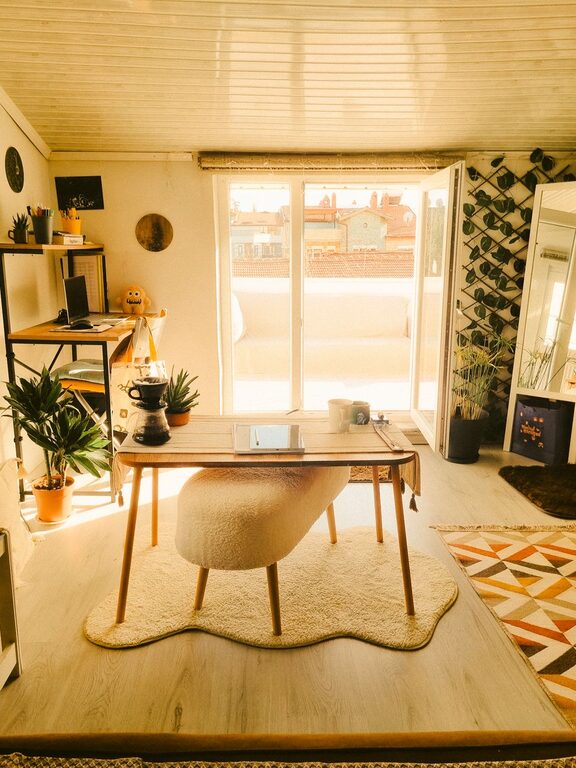
Natural light is a great mood booster and can reduce eye strain. Place your desk near a window to take advantage of daylight. If natural light is limited, consider using full-spectrum bulbs that mimic daylight to brighten your workspace.
Invest in Comfortable Furniture
Select an Ergonomic Chair
Sitting for long periods can cause discomfort and health issues. An ergonomically designed chair supports your posture, reduces strain, and helps you stay comfortable throughout the day.
Choose a Suitable Desk
Pick a desk that fits your available space and provides enough surface area for your computer, paperwork, and other tools. Adjustable desks that allow switching between sitting and standing positions can enhance comfort and circulation.
Organize Your Workspace
Declutter Regularly
A clean, organized desk helps clear your mind and reduces distractions. Keep only essential items on your desk and store other materials in drawers or shelves.
Use Storage Solutions
Use baskets, file organizers, and shelves to keep papers and supplies tidy. Label storage containers to find what you need quickly.
Manage Cables
Tidy cables improve your workspace’s appearance and prevent accidents. Use cable clips, sleeves, or under-desk trays to keep cords organized.
Incorporate Calming Colors and Décor
Choose Soothing Colors
Colors influence mood and productivity. Soft blues, greens, or neutrals promote relaxation and focus. Avoid overly bright or harsh colors that might cause visual fatigue.
Add Personal Touches
Include elements that bring you joy and calm, such as framed photos, inspirational quotes, or artwork. Keep decorations minimal to avoid clutter.
Bring in Nature
Houseplants can purify the air and provide a calming effect. Small potted plants or succulents require minimal care and brighten up your office.
Control Lighting and Noise
Use Adjustable Lighting
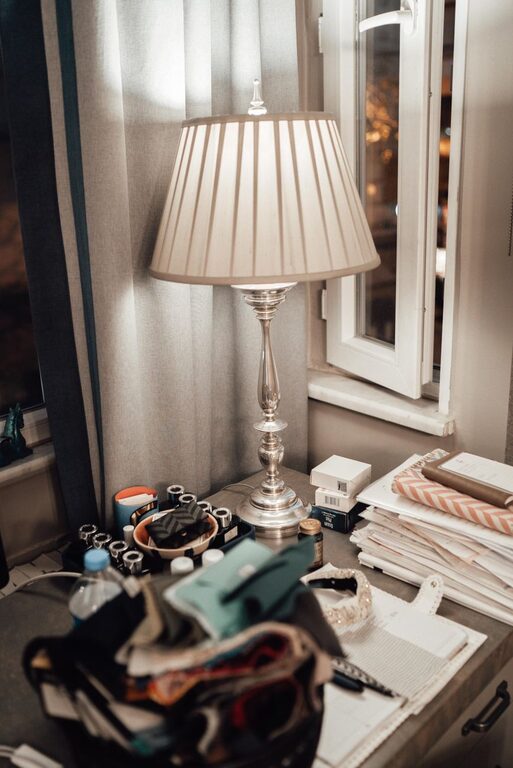
Combine natural light with adjustable lamps to reduce eye strain and create a cozy atmosphere during early mornings or late evenings.
Minimize Noise
If outside noise is distracting, consider noise-cancelling headphones or a white noise machine. Soft background music or nature sounds can also help you focus.
Manage Technology Wisely
Keep Screens at Eye Level
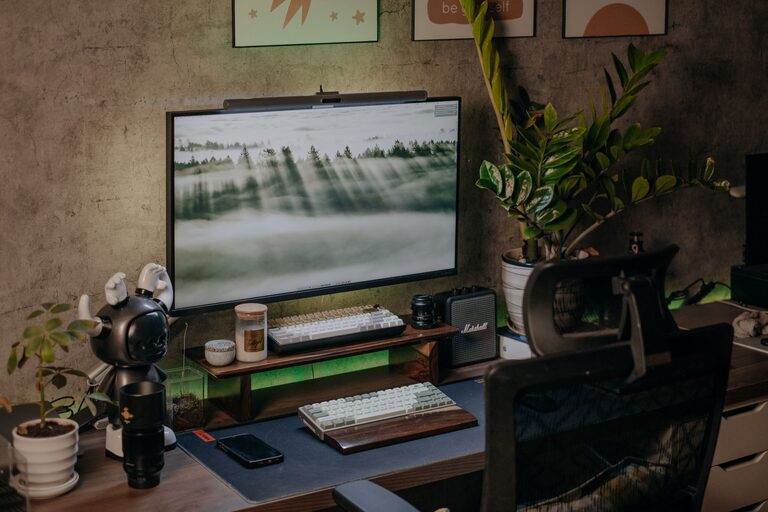
Position your computer monitor so the top of the screen is at or slightly below eye level. This helps prevent neck and eye strain.
Use Keyboard and Mouse Ergonomically
Place your keyboard and mouse within easy reach, allowing your wrists and arms to remain relaxed.
Take Regular Breaks
Remember to look away from your screen every 20 minutes and stretch periodically to reduce eye strain and muscle tension.
Establish a Routine and Boundaries
Create a Work Schedule
Set clear working hours to maintain balance between work and personal life. A consistent routine helps your brain prepare for focused work.
Define Your Workspace
Train family or housemates to respect your work time and space. Use visual cues like a closed door or a sign to indicate when you are busy.
Take Breaks Away from Your Desk
Step away during breaks to move around, relax, and refresh your mind. This helps improve overall productivity and well-being.
Add Comfort Elements
Use a Cozy Rug and Cushions
Soft textures can make a space feel more inviting. A small rug under your desk or cushions for your chair can increase comfort.
Control Temperature and Air Quality
Make sure your office space stays at a comfortable temperature. Use a fan or heater if necessary, and keep the area well ventilated.
—
By applying these tips, you can transform your home office into a relaxing and productive environment. Take time to personalize your space and adjust it as your needs change. A thoughtfully designed home office not only supports your work but also contributes to your overall happiness and well-being.