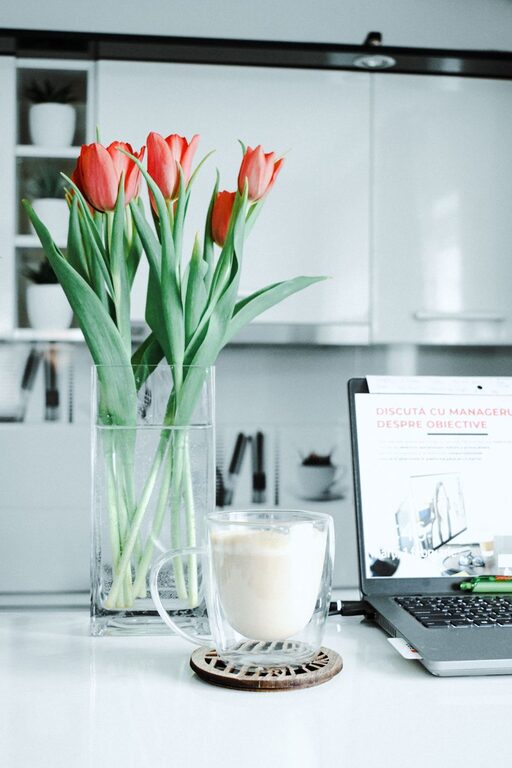



Creating a home office that feels both cozy and productive is an ideal goal for anyone working from home. The right space can help you focus, stay organized, and feel comfortable throughout your workday. Whether you’re setting up a dedicated room or a small corner, a few thoughtful touches can transform your area into a workspace you enjoy. Here are some practical tips to help you create the perfect home office.
Choose the Right Location
Finding the best spot for your home office is the first step. Look for a quiet area with minimal distractions. Ideally, it should have good natural light, which helps reduce eye strain and can boost your mood.
– Near a window for natural light
– Away from high-traffic areas
– Close to power outlets for electronics
If space is limited, consider using a foldable desk or a multi-purpose area that you can tidy up quickly when not working.
Invest in a Comfortable Chair and Desk
Comfort plays a big role in productivity. Spending a lot of time sitting means you need an ergonomic chair to support your posture and reduce the risk of discomfort or injury.
– Adjustable chair with lumbar support
– Desk at the right height to avoid strain
– Enough surface area for essential items like your computer and notepad
Avoid working from couches or beds as these setups are rarely supportive for long periods.
Organize Your Space Efficiently
Clutter can decrease focus and increase stress. Designing your workspace with organization in mind helps you find what you need quickly and keeps your mind clear.
Tips for Organization:
– Use shelves or filing cabinets for storage
– Keep only essential items on your desk
– Use cable management tools to reduce cord clutter
– Have trays or baskets for paperwork and supplies
Regularly declutter and organize your space to maintain a tidy environment.
Personalize Your Workspace
Adding personal touches makes your office feel inviting and comfortable, which can improve your enthusiasm for work.
– Add plants for a touch of nature and cleaner air
– Display photos or artwork you enjoy
– Use cushions or throws for a cozy look
– Choose colors you find calming or inspiring, such as blues or greens
Personalization doesn’t mean clutter—keep it simple and meaningful.
Optimize Lighting
Good lighting is crucial, especially if you work before sunrise or after sunset. Harsh or dim lighting can cause headaches and eye strain.
– Use a combination of natural light and adjustable artificial lighting
– Consider task lighting such as a desk lamp with adjustable brightness
– Avoid glare on your computer screen by positioning lights carefully
Warm white or daylight bulbs tend to be comfortable for home office environments.
Minimize Noise and Distractions
Creating a quiet workspace helps you concentrate. If you cannot control household noise, here are some helpful solutions:
– Noise-cancelling headphones
– White noise machines or apps
– Soft background music if it helps your focus
– Clear “do not disturb” signals for family or housemates during work hours
Setting boundaries with others around you also supports a distraction-free zone.
Incorporate Break and Movement Space
It’s important to step away from your desk regularly to refresh your mind and body.
– Have a small area nearby to stretch or move around
– Use a standing desk option or a desk converter
– Schedule short breaks throughout the day
These habits support better energy levels and overall wellbeing.
Use Technology Tools Wisely
The right setup can make your workday smoother and faster.
– Invest in a reliable computer and high-speed internet connection
– Use wireless devices to reduce cable clutter
– Set up dual monitors if your work benefits from extra screen space
– Keep software and apps updated for efficiency
But avoid having too many devices or screens that can become distracting.
Maintain a Routine and Keep It Flexible
A comfortable home office encourages a healthy work routine.
– Set regular working hours to create a sense of normalcy
– Begin and end your workday with a clear ritual (e.g., a morning coffee, shutting down your computer)
– Allow flexibility for creative breaks or movement
Balancing structure and flexibility improves productivity without feeling overwhelmed.
—
Creating a cozy and productive home office doesn’t have to be complicated or expensive. By choosing the right space, organizing smartly, personalizing your environment, and using good lighting and ergonomic furniture, you can cultivate a workspace that supports your daily tasks and wellbeing. Remember, a well-designed home office helps you enjoy working at home and achieve your goals effectively.