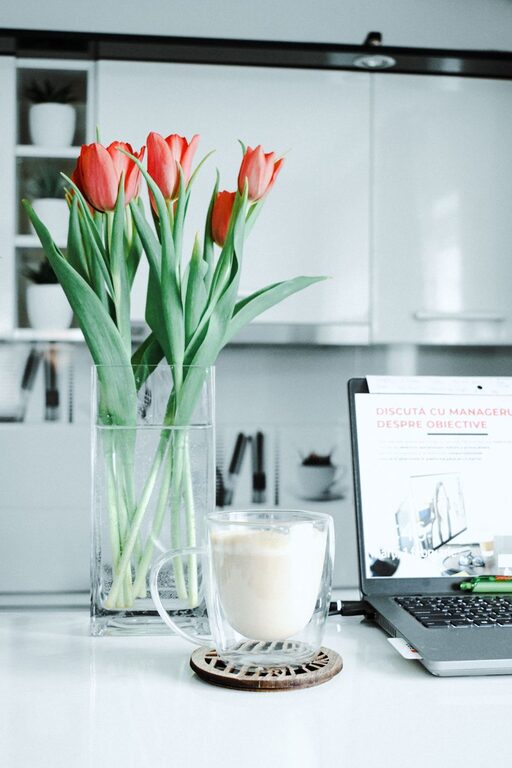



Creating a workspace at home that feels relaxing and inviting can significantly boost your productivity and overall well-being. When your environment promotes calm and focus, it’s easier to stay motivated, avoid distractions, and get more done in less time. Whether you are working full-time from home or occasionally handling tasks, a thoughtfully designed workspace can make all the difference.
In this post, we’ll explore practical tips for setting up a home workspace that combines relaxation with productivity. From choosing the right location to organizing your desk, these ideas will help you create a space where you can work comfortably and efficiently.
Choose the Right Location
Find a Quiet Spot
The first step to a relaxing workspace is selecting a quiet corner or room in your home. Avoid high-traffic areas where noise and interruptions are common. If possible, choose a dedicated room or a nook that you can associate solely with work. This helps your brain separate work time from personal time.
Consider Natural Light
Natural light is a powerful mood booster and helps reduce eye strain. Position your desk near a window to take advantage of daylight. If natural light is limited, opt for soft, adjustable artificial lighting that mimics daylight rather than harsh overhead lights.
Prioritize Comfort and Ergonomics
Invest in a Good Chair
A comfortable chair with proper back support is essential. Ergonomic chairs promote good posture and reduce discomfort, which in turn helps you stay focused longer without fatigue.
Set Up Your Desk Properly
Your desk height and monitor position should support a neutral body posture to avoid strain on your neck, shoulders, and wrists. The top of your screen should be at eye level, and your wrists should rest comfortably on the desk or keyboard.
Add Supportive Accessories
Consider using a footrest, keyboard tray, or adjustable monitor stand to customize your setup for maximum comfort. Small adjustments can make a big difference in your comfort throughout the day.
Declutter and Organize
Keep Your Desk Minimal
A messy desk can create mental clutter and stress. Focus on keeping your workspace clean and organized with only essential items on your desk. Use organizers, trays, or drawers to store supplies out of sight.
Organize Digital Files
Physical organization should extend to your digital workspace. Maintain an orderly file structure and clear desktop on your computer to reduce frustration and increase efficiency.
Create a Calm Atmosphere
Choose Soothing Colors
The colors in your workspace can influence your mood. Soft, neutral shades like blues, greens, or pastels promote calm and focus. Even small accents in these colors—such as a mousepad, wall art, or plant pots—can create a more relaxing ambiance.
Bring in Natural Elements
Incorporate plants or flowers to refresh the air and add a touch of nature. Studies have shown that greenery helps reduce stress and improve concentration.
Play Background Sounds
Some people find soft background sounds, such as nature sounds or gentle instrumental music, help maintain focus. Use headphones or speakers to play audio quietly, avoiding anything too distracting.
Establish Boundaries and Routine
Set Work Hours
A relaxing workspace is part of a healthy work-life balance. Define your work hours and communicate them to family or housemates to minimize interruptions. When your workday ends, leave the workspace if possible to mentally disconnect.
Take Regular Breaks
Include time for breaks to stretch, hydrate, or practice deep breathing. A comfortable chair and a calm room make it easier to pause and recharge without feeling restless.
Personalize Your Space
Add Meaningful Decor
Display a few personal items that inspire or motivate you, such as photos, artwork, or quotes. Keep decor minimal to maintain a peaceful environment, but enough to make your space feel welcoming.
Use Essential Oils or Candles
Some people enjoy gentle scents like lavender or eucalyptus for relaxation. If allowed and safe, diffusers or candles can elevate the atmosphere and promote calm.
Optimize Technology to Reduce Stress
Manage Cable Clutter
Tidy cables with clips or zip ties to prevent tangling and mess. A clean environment reduces visual distractions.
Use Tools to Minimize Distractions
Consider apps or browser extensions that block distracting websites during work hours. Silence phone notifications or use “Do Not Disturb” modes to stay focused.
—
Creating a relaxing home workspace is a process of balancing function with comfort. By carefully choosing your location, optimizing your comfort, reducing clutter, and adding calming touches, you can build an environment that helps you work more effectively and feel less stressed.
Take your time setting up your space and remember that small changes can have a big impact on your productivity and mood. With a relaxing workspace, you’ll be better equipped to tackle projects and enjoy your work-from-home experience.