


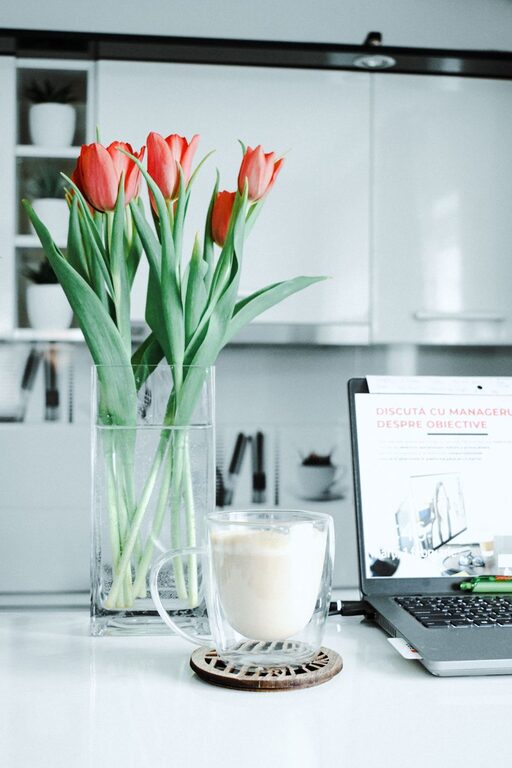
Creating a relaxing home workspace can make a significant difference in how productive and focused you feel throughout your workday. Whether you work remotely full-time or occasionally bring tasks home, having a comfortable and well-organized area helps reduce stress and improve efficiency. This post will guide you through practical tips to design a workspace that supports both relaxation and productivity.
Why a Relaxing Workspace Matters
Your environment directly affects your mood and ability to concentrate. A cluttered, noisy, or uncomfortable workspace can increase anxiety and make it harder to complete tasks. Conversely, a calming setup encourages creativity, reduces distractions, and helps you maintain energy for longer periods.
Choose the Right Location
Find Natural Light
Natural light boosts mood and energy, so try to position your desk near a window. If that’s not possible, opt for soft, adjustable lighting that mimics daylight to keep your space bright without causing eye strain.
Minimize Noise Distractions
Pick a quiet corner or room where you can focus without frequent interruptions. If ambient noise is unavoidable, consider using noise-canceling headphones, white noise machines, or calming background music.
Invest in Comfortable Furniture
Ergonomic Chair
A supportive chair with adjustable height and lumbar support is essential. Comfortable seating helps prevent back pain and improves posture, allowing you to work longer without discomfort.
Functional Desk
Choose a desk that fits your space and work needs. It should be spacious enough to hold your essentials without clutter but compact enough to keep everything within easy reach.
Organize Your Workspace
Declutter Regularly
An organized desk helps clear your mind. Use drawers, shelves, and organizers to store supplies and paperwork neatly. Keep only daily essentials on the desktop to reduce visual distractions.
Use Cable Management
Tidy cables instantly improve the look and feel of your workspace. Simple cable clips, sleeves, or under-desk trays can keep wires out of sight and prevent tangling.
Personalize with Calming Elements
Add Plants
Houseplants bring a touch of nature indoors and improve air quality. Choose low-maintenance varieties like succulents or pothos, which also add color and life to your desk.
Incorporate Soft Textures
A cozy rug, cushions, or a soft throw can make your workspace feel more inviting and comfortable. These small touches contribute to a relaxed atmosphere.
Use Soothing Colors
Colors influence emotions; opt for calming shades like soft blues, greens, or neutrals. Avoid overly bright or harsh colors that can cause visual fatigue.
Manage Lighting Wisely
Layer Lighting
Combine overhead lighting with desk lamps to create balanced illumination. Adjustable lamps let you direct light where needed, reducing shadows and glare.
Avoid Screen Glare
Position your computer monitor perpendicular to windows or light sources to prevent reflections and eye strain.
Incorporate Break Areas or Zones
If you have space, designate a small area for quick breaks or stretching. This encourages movement and mental rest, helping you return to work refreshed.
Establish Daily Routines
Set Clear Work Hours
Defining when you start and stop work helps maintain boundaries and reduces stress. Communicate your schedule to household members to minimize interruptions.
Incorporate Short Breaks
Use techniques like the Pomodoro method (working for 25 minutes, then a 5-minute break) to maintain focus and prevent burnout.
Keep Technology in Check
Use Productivity Tools
Apps and tools can help you organize tasks, manage time, and reduce distractions. Explore options that suit your workflow and preferences.
Disable Notifications
Turn off non-essential notifications during work periods to stay focused on tasks at hand.
Maintain Cleanliness
A tidy workspace feels more inviting and reduces stress. Develop a habit of daily or weekly cleaning to keep your area fresh and welcoming.
—
Creating a relaxing home workspace is about blending function with comfort. Small adjustments like better lighting, organized desks, and calming personal touches can have a huge impact on your productivity and wellbeing. Take time to assess your current setup, experiment with changes, and discover what environment helps you perform at your best. Your ideal workspace awaits!